Gabay sa Kakanin
Kakanin (from the root word "kanin," meaning rice) is the Filipino word for rice-based cakes and sweets. They're the heart of every fiesta, merienda, and family gathering.
The Essential Kakanin
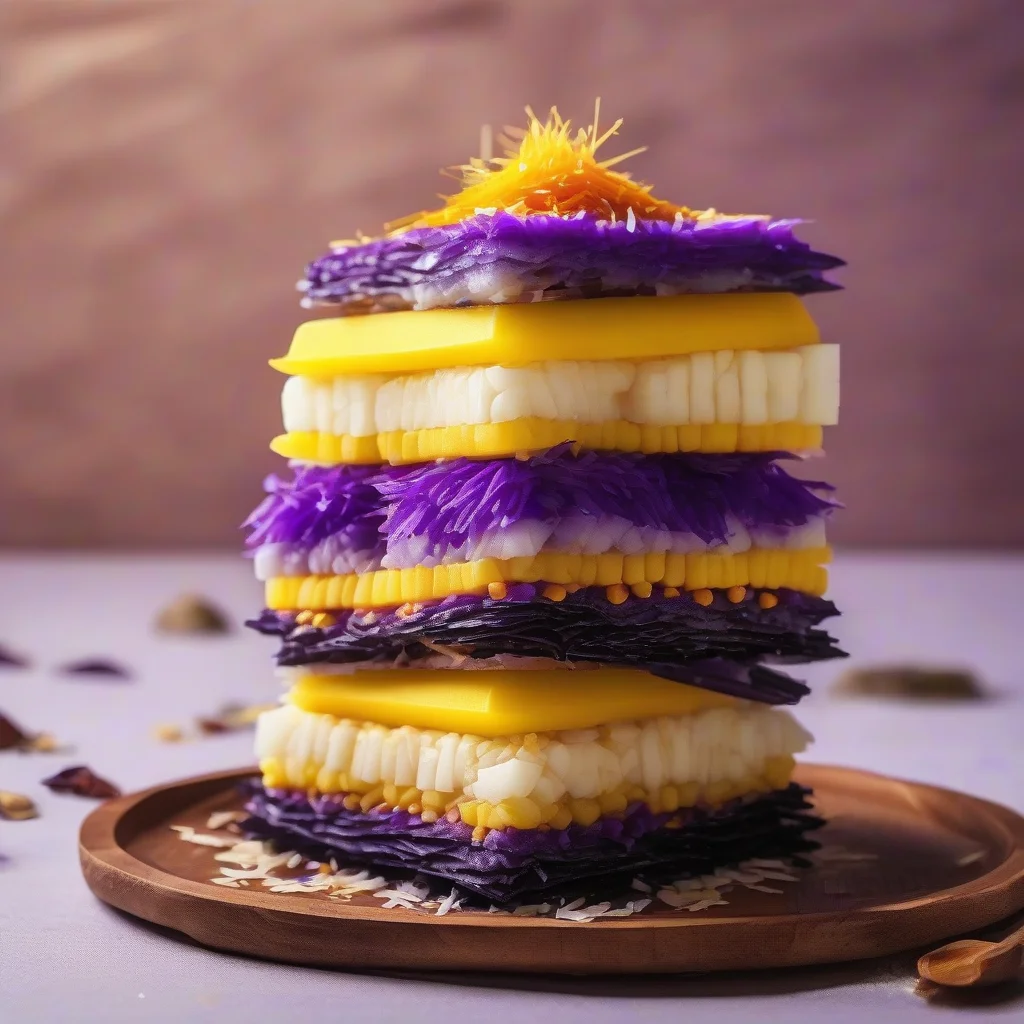
Sapin-Sapin (Layered Rice Cake) Three colorful layers — purple ube, white coconut, and yellow jackfruit — made from glutinous rice flour and coconut milk. The name means "layers" in Tagalog. Topped with latik (coconut curds).
Biko (Sweet Sticky Rice) Glutinous rice cooked in coconut milk and brown sugar, topped with a caramelized coconut cream called latik. Simple, sweet, and deeply satisfying.
Puto (Steamed Rice Cakes) Light, fluffy steamed cakes — the Filipino answer to a muffin. Often topped with cheese. Puto is the perfect partner to dinuguan (pork blood stew).
Bibingka (Baked Rice Cake) Baked in clay pots over coals, lined with banana leaves. Traditionally a Christmas food, but too good to eat only once a year.
Kutsinta (Brown Rice Cake) Chewy, slightly sticky cakes with a distinctive brown color from lye water. Served with grated coconut.
Why Kakanin Matters
Kakanin isn't just food — it's culture. These recipes have been passed down through generations, made for every celebration from baptisms to fiestas. When you eat kakanin, you're tasting hundreds of years of Filipino tradition.
At Benito's Kitchen, we make sapin-sapin, biko, bibingka, and puto fresh to order. No preservatives, just the real thing.